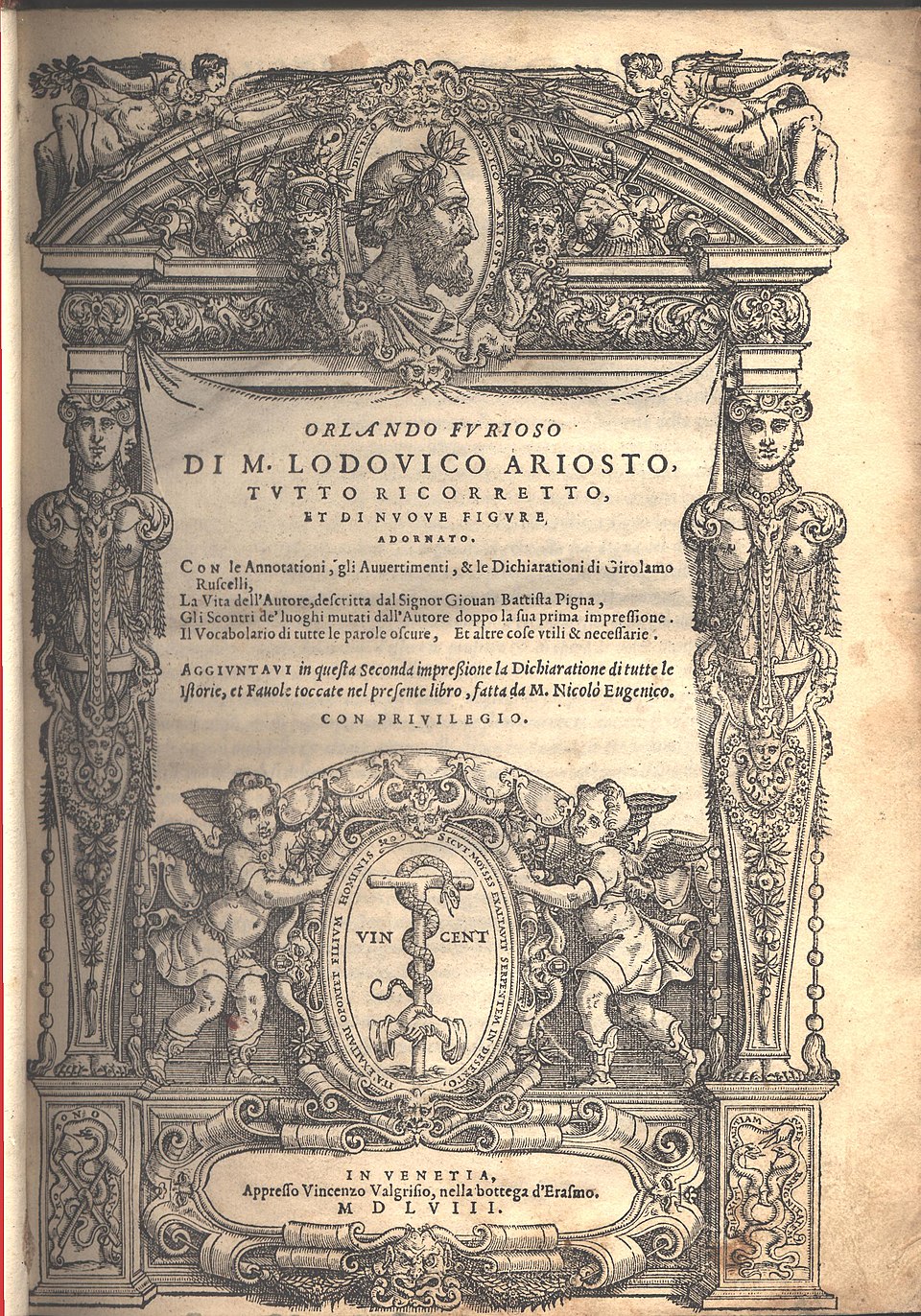
The Enduring Tapestry of *Orlando Furioso*: Romance, Madness, and Timeless Wisdom
For those delving into the rich world of classic literature, perhaps seeking the identity of the author of Orlando Furioso for a literary challenge or simply out of genuine curiosity, the name that stands majestically above this masterpiece is Ludovico Ariosto. His epic poem, *Orlando Furioso*, is far more than a simple tale; it's a sprawling, genre-defying work that has captivated readers for centuries, weaving together elements of heroic romance, profound philosophical inquiry, and sharp satirical wit. Penned in the early 16th century, Ariosto's magnum opus remains a vibrant testament to the human condition, exploring themes of love, war, the nature of fame, and the often-foolsih pursuits of mankind.
The Labyrinthine World of *Orlando Furioso*
To label *Orlando Furioso* merely as a "comic poem" would be to miss the extraordinary depth and breadth of Ariosto's genius. While indeed possessing moments of delightful humor and irony, its true nature is that of a chivalric romance, building upon the foundations of earlier tales of Charlemagne's paladins. Ariosto masterfully incorporates a vast array of traditional literary elements:
- Epic Duels and Jousts: Knights clash in spectacular, often supernatural, combat.
- Heroic Quests: Characters embark on arduous journeys driven by love, duty, or vengeance.
- Amorous Adventures: The tangled web of love and desire forms the central driving force for many characters, leading to both joy and profound despair.
- Damsels in Distress: Brave knights frequently find themselves rescuing beleaguered maidens.
- Clash of Civilizations: The epic conflict between Christians and Saracens provides a grand backdrop, though often subverted by Ariosto's nuanced portrayals.
- Monsters and Magic: Enchanted rings, flying hippogriffs, and formidable beasts populate a world where the fantastical is commonplace.
Beyond these classic tropes, Ariosto injects his narrative with sophisticated layers. He weaves in Virgilian echoes, bawdy tales that speak to a more earthly reality, and daring metafictional gestures that acknowledge the artificiality of storytelling itself. A running debate on female virtue underpins much of the narrative, challenging societal norms, while a wry commentary on the follies of love provides both amusement and poignant reflection. Ariosto also subtly, and sometimes not so subtly, voices his outrage at the foreign invasions plaguing Italy, grounding his fantastical world in the very real political anxieties of his time. Furthermore, the poem serves as an elaborate ode to his patrons, the Este family of Ferrara, culminating in a dynastic marriage that prophesies their glorious future.
Orlando's Lunar Journey: A Masterclass in Satire and Poetic Power
No single part can encapsulate the entirety of *Orlando Furioso*, but one remarkable episode offers a potent taste of its unique atmosphere and philosophical depth. This is the tale of Astolfo's journey to the Moon, a quest prompted by the tragic madness of Orlando himself. Orlando, Charlemagne’s foremost paladin and the epitome of chivalric virtue, has quite literally run mad for love. His heartbreak over Angelica's betrayal drives him to a frenzy, leading to a complete loss of his sanity.
To recover his comrade's lost wits, Astolfo, guided by none other than St. John the Evangelist, embarks on an extraordinary journey to the Moon. Ariosto's Moon is a celestial repository where everything lost on Earth can be found. It’s a place of both wonder and profound satire:
- Lost Wits: Astolfo discovers that human reason, once misplaced on Earth, is stored in individually labeled bottles.
- Worldly Follies: The Moon also holds other curiosities: the favors of princes appear as inflated bellows, signifying their fleeting and empty nature; ladies’ charms are seen as limed snares, highlighting their deceptive allure.
- The River Lethe and the Fates: In a palace by a lunar River Lethe, the Fates meticulously spin the thread of every human life. Once a thread is spun and cut, it's tied to a nameplate. Father Time, a tireless old man, gathers these nameplates and drops them into the river of oblivion.
- Poets as Immortalizers: While flocks of carrion birds (representing flatterers who surround princes) pick up some plates only to let them fall back into the water, two pure white swans gracefully convey their chosen plates safely downstream to the temple of fame. St. John reveals that these swans are poets, the sole preservers of undying renown.
This episode serves as a powerful commentary on patronage and artistic legacy. St. John emphatically explains that princes must take care to reward their poets, for it is the poet who ultimately determines how, and if, their patrons will be remembered. He offers startling examples: the historical "truth" of the Trojan War and Penelope's fidelity might well be inversed if Homer had chosen to write otherwise. As St. John provocatively states, "E se tu vuoi che ’l ver non ti sia ascoso, tutta al contrario l’istoria converti: che i Greci rotti, e che Troia vittrice, e che Penelopea fu meretrice." (If you wish the truth not to be hidden from you, turn the story around: the Greeks were beaten, the Trojans victorious and Penelope was a whore.)
Similarly, Augustus and Nero, both tyrannical rulers, have vastly different posthumous reputations, largely because Augustus wisely patronized Virgil, ensuring a favorable portrayal. St. John laments the neglect of poets by patrons in his own time, humorously revealing his personal stake as a writer who was well-rewarded for praising his own patron. Ariosto's lunar episode is a masterstroke, simultaneously functioning as a celestial revelation akin to Cicero's "Dream of Scipio" or Dante's *Paradiso*, yet also a brilliant burlesque of that very tradition. It offers a long-distance view that makes our earthly goals seem like follies, but with an underlying appreciation for the power of human art and memory. For a deeper dive into this fascinating episode, explore The Moon of Orlando Furioso: Ariosto on Fame, Poets, and Folly.
Ludovico Ariosto: The Visionary Behind the Verse
So, who was Ludovico Ariosto, the brilliant mind behind *Orlando Furioso*? Born in Reggio Emilia in 1474, Ariosto lived during the height of the Italian Renaissance, a period of immense artistic, cultural, and political ferment. He spent much of his career in the service of the Este family, dukes of Ferrara, first under Cardinal Ippolito I d'Este and later under Duke Alfonso I d'Este. This patronage, while providing him with financial stability, also involved diplomatic missions and administrative duties, which he often found tedious and distracting from his true passion: writing.
Ariosto's personal experiences within the courtly world undoubtedly shaped his keen observations on power, ambition, and the often-fickle nature of human relationships. His nuanced understanding of human psychology, coupled with his classical education and a profound appreciation for earlier epic and romance traditions, allowed him to craft a work that was both deeply rooted in its time and startlingly innovative. He was not just a storyteller; he was a commentator, a philosopher, and a satirist who used the familiar framework of chivalric romance to explore complex contemporary issues and universal truths. His wry commentary on love, politics, and human folly is what gives his work its enduring resonance. To uncover more about the author's unique perspective, read Unveiling Ariosto: The Author's Wry Take on Love and Legacy.
Timeless Wisdom and Enduring Legacy
*Orlando Furioso*'s legacy extends far beyond its immediate impact on Italian literature. Its intricate narrative structure, its vibrant characters, and its profound philosophical undercurrents have influenced countless writers, poets, and artists across centuries and cultures. The poem's exploration of themes like the destructive nature of unrequited love, the thin line between passion and madness, the illusion of glory, and the crucial role of art in preserving memory, are as relevant today as they were in Ariosto's time.
For modern readers, approaching *Orlando Furioso* can be a richly rewarding experience. Here are some practical tips:
- Embrace the Journey: It's a long poem, meant to be savored. Don't feel pressured to read it all at once.
- Choose a Good Translation: The quality of translation significantly impacts the experience. Look for modern, accessible versions.
- Don't Be Afraid of Summaries: Plot summaries or character guides can help navigate the multitude of interconnected storylines.
- Appreciate the Layers: Look beyond the surface adventures. Ariosto's commentary on human nature, society, and the power of narrative is where its deepest wisdom lies.
- Consider the Historical Context: Understanding the political climate of Renaissance Italy and the tradition of chivalric romance enriches the reading.
The genius of Ludovico Ariosto lies in his ability to blend the fantastical with the profoundly human, the comedic with the tragic, and the specific concerns of his era with universal truths. His *Orlando Furioso* isn't just a poem; it's a testament to the enduring power of storytelling, a mirror reflecting our own follies and aspirations, and an eternal reminder of the poet's unique ability to confer immortality.